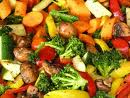
Study suggests that people whose nutritional regimen consists only of foods derived from plants, have a longer life expectancy and enjoy a better quality of life than people who eat both animal and plant products (omnivores).
Vegetarians have a lower body mass index (BMI) and are less likely to become overweight. They have a lower risk for some forms of cancers, hypertension, coronary artery disease, dental caries, type diabetes mellitus, arthritis, appendicitis, gallstones, constipation and some diseases of the colon.
They also have a lower mean plasma total cholesterol concentration. Plant products are healthier than animal products because of a variety of reasons. Plant products do not contain cholesterol and saturated fats and their total fat content is lower.
They also have higher fiber content. Compared to animal products, plant products sold in the market contain lesser additives, preservatives and other unnatural chemicals. Also, plant products do not transmit such animal borne diseases as anthrax, bovine encephalitis, tapeworms and certain parasites.
A vegetarian diet, however, has its own downside. Unlike meat which is nutritionally complete food, no single plant products contain all the nutrients that the body needs. The assortment of amino acids, the building blocks of protein, present in most plant products is not as good as in animal meat.
Also, calcium, zinc and vitamin D are in short supply in many plant products. Additionally, iron from plant products is not absorbed as readily as that from meat in the digestive tract, hence, vegetarians are susceptible to anemia.
Furthermore, riboflavin is present in some plants but only in small amounts, while vitamin B12 comes only from animal sources. Thus, vegetarians are vulnerable to protein, calcium, iron, zinc, vitamin D, riboflavin and vitamin B12 deficiencies.
Unless a person possesses a sound knowledge of nutrition, he/she runs the risk of suffering from a dietary insufficiency if he/she turns vegetarian.
To protect themselves against nutritional deficiencies, many vegetarians take nutritional supplements such as (vitamins and mineral pills or capsules). Some, the lacto-ovo-vegetarians, include dairy products but not eggs in their diet, while others, consider both dairy products and eggs in their diet.
Incidentally, vegetarians as a rule, are more health conscious than omnivores. They exercise regularly, do not smoke, refrain from alcohol, avoid stressful situations, know how to relax, and observe more strictly the rules of personal hygiene and environmental sanitation.
Hence, the increase in life quality and expectancy that vegetarians enjoy is probably the result not simply of their diet but of the totality of the numerous healthy lifestyle practices that they observe.
However, most experts in nutrition do not recommend a pure vegetarian diet for infants and growing children because scientific studies have consistently shown growth retardation among children raised on vegetarian diets.